

![[RECIPE] Bio Ramen with Chicken and Peanut Sauce #13](/img/deotemplate/blog/1/blog/41/41.png)

BIO konjac pasta in brine from DIET-FOOD: A Healthy Hit for Your Kitchen!
BIO konjac pasta from DIET-FOOD, also known as shirataki noodles, is gaining increasing popularity among those looking for healthy alternatives to traditional grain products. This unique pasta, originating from Asia, not only fits the trend of mindful eating but also surprises with its exceptional properties. Discover why it’s worth including in your diet and which popular keywords are commonly associated with it in the culinary world.
The BIO certification means that the product has been produced in accordance with the principles of organic farming and meets specific requirements regarding production, processing, and storage. This label guarantees that the product is free from harmful chemicals and produced in an environmentally friendly way.
Table of Contents
- What is konjac pasta?
- Properties of konjac pasta
- How to prepare BIO konjac pasta?
- Most popular forms of BIO konjac pasta
- Why choose BIO konjac pasta?
What is konjac pasta?
Konjac pasta is made from the bulb of the konjac plant (Amorphophallus konjac), known in Poland as dziwidło. In traditional Asian cuisine, this plant has been used for centuries for its health-promoting properties. The key ingredient in the pasta is glucomannan – a water-soluble fiber with extremely low calories and high water-binding capacity.
The pasta is sold in a clear liquid that helps preserve its freshness. Before use, the liquid should be drained, and the pasta thoroughly rinsed, which is a characteristic part of its preparation.
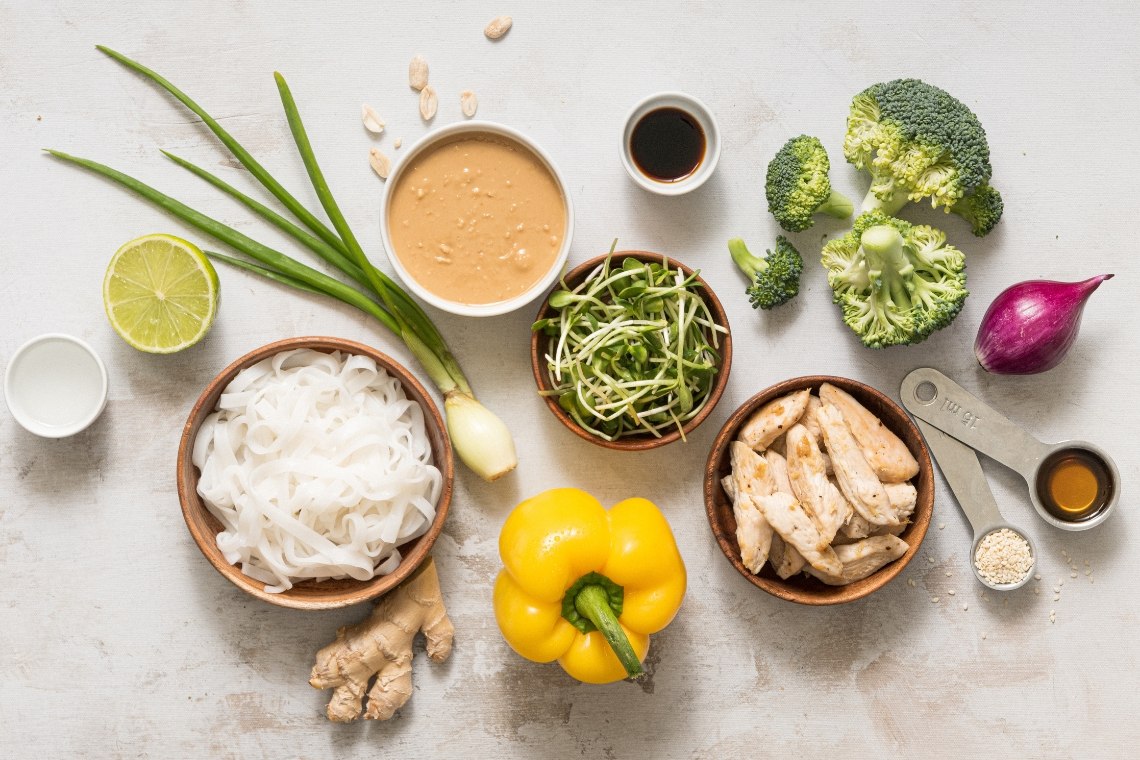
Properties of konjac pasta
- Vegetarian-friendly product
Konjac pasta is plant-based, suitable for vegetarian and vegan diets. - Low-calorie
100 grams of the product contains only 7–9 kcal, making it ideal for weight-loss diets. - High glucomannan fiber content
Provides satiety and may help control cholesterol and blood sugar levels. - Gluten-free and hypoallergenic
Contains no gluten, soy, or lactose. - Low glycemic index
Suitable for people with insulin resistance and for keto diets. - Neutral taste
Easily adapts to spices and other ingredients.
How to prepare BIO konjac pasta in liquid?
Preparing konjac pasta is quick and simple:
- Drain and rinse – rinse thoroughly under running water.
- Boil or sauté – heat or lightly fry in a dry pan.
- Add to dishes – goes well in soups, salads, and Asian dishes.

Most popular forms of DIET-FOOD BIO konjac pasta
Konjac pasta comes in various shapes that mimic traditional pasta forms.
- Description: wide, flat ribbons.
- Use: creamy sauces and stir-fry dishes.
- Description: thin, long strands.
- Use: Italian dishes and salads.
- Description: small grains resembling rice.
- Use: curry, sushi bowls, salads.
- Description: very thin strands.
- Use: light sauces and vegetable dishes.
- Description: thick, elastic strands.
- Use: Asian dishes and broths.
- Description: thin, delicate strands.
- Use: soups and stir-fried dishes.
With its variety of shapes, konjac pasta is a versatile substitute for traditional pasta and rice.
Why choose BIO konjac pasta?
Konjac pasta:
- helps with weight management,
- supports the digestive system,
- suits many diets,
- easily adapts to dishes.
If you haven’t tried it yet, it’s worth adding konjac pasta to your menu and discovering new culinary possibilities.
Same category
- Collagen Supplementation – How It Works, What Forms Exist, and Why It’s Worth It?
- Organic Ceylon Cinnamon DIET-FOOD – authentic flavor and safety
- DIET-FOOD Creatine Monohydrate – pure strength, convenience, and support for the brain.
- The Best Organic Breakfast Sets – a Healthy Start for Everyone
- Organic Nut Butters from Diet-Food – Pure Pleasure Without Compromise
Comments
No comment at this time!
Leave your comment