

![[RECIPE] Bio Ramen with Chicken and Peanut Sauce #13](/img/deotemplate/blog/1/blog/41/41.png)

Collagen Supplementation – How It Works, What Forms Exist, and Why It’s Worth It?
Collagen is one of the key proteins in the body, responsible for the elasticity and strength of the skin, hair, nails, as well as connective tissues and joints. Its natural production decreases with age, which is why it is worth supporting the body with appropriate supplementation.
In this article, we explain how collagen works, what its types and forms are, and we suggest how to choose products that best support health and beauty.
Table of contents
- What collagen is and why it is important
- Benefits of collagen supplementation
- Types of collagen
- Forms of collagen
- Bovine vs. marine collagen – which one to choose
- How to increase supplementation effectiveness
- Summary
- Sources
What collagen is and why it is important
Collagen is the most important structural protein in the human body – it makes up about 30% of the total protein pool. It forms a specific “scaffolding” for tissues and is responsible for their strength, elasticity, and ability to regenerate.
Collagen occurs in:
- skin
- bones
- joints
- tendons and ligaments
- connective tissue
- blood vessels
- hair and nails
After the age of 25, natural collagen synthesis begins to gradually decrease (on average by about 1–1.5% per year), which may result in worsening skin condition, weakening of the musculoskeletal system, and reduced tissue elasticity.
Benefits of collagen supplementation
✅ Skin
- improved firmness and elasticity
- better hydration
- reduction of fine wrinkles
- support for regeneration processes
✅ Musculoskeletal system (joints, tendons, ligaments)
- support for connective tissue strength
- improved movement comfort
- reduction of stiffness sensation
- prevention of overload
✅ Hair, nails and intestines
- strengthening hair and nail structure
- reduction of brittleness
- support for intestinal barrier integrity
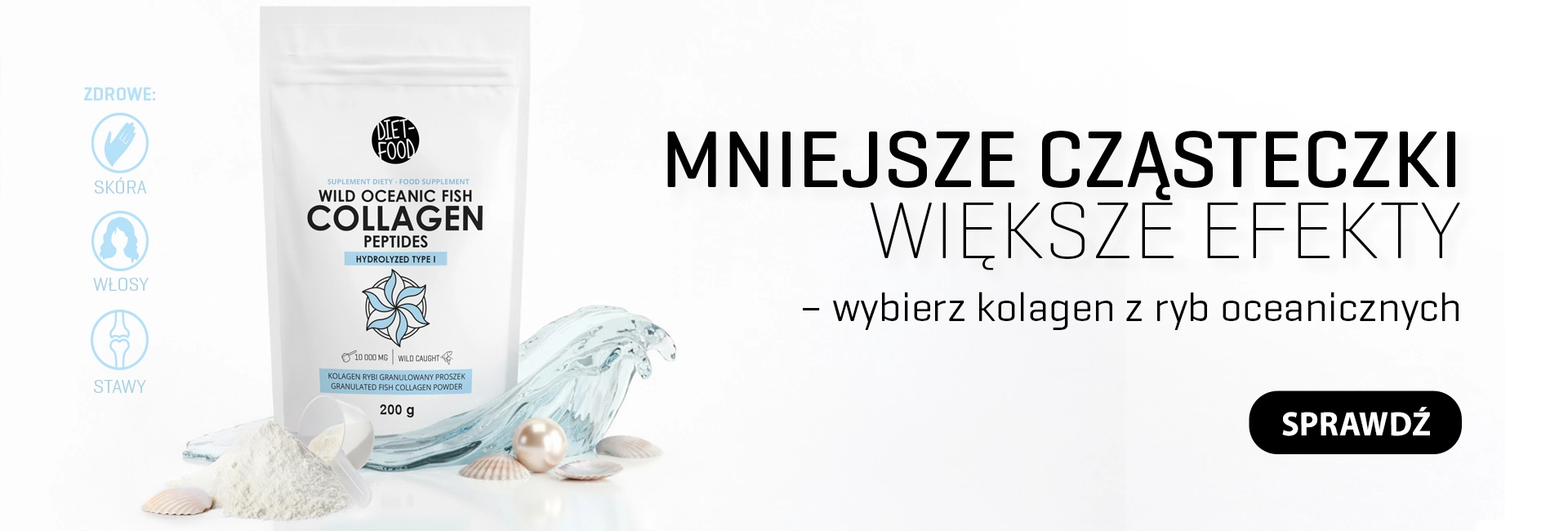
Types of collagen
Type I
- Main structural collagen in the body (approx. 90%)
- Skin, bones, tendons, ligaments, fascia, connective tissue, hair, nails
Type II
- Articular cartilage and joint surfaces
Type III
- Elastic tissues, blood vessels, skin (coexists with type I)
In practice: type I collagen is crucial both for beauty and the musculoskeletal system, while type II acts more selectively – mainly on articular cartilage.
Forms of collagen
Native collagen (undenatured)
- not hydrolyzed
- high molecular weight (~300 kDa)
- low bioavailability
- mainly used in intestinal and immunological preparations
Hydrolyzed collagen (collagen hydrolysate)
- broken down into shorter peptide chains
- high bioavailability
- molecular weight: 3–8 kDa
- most commonly used in dietary supplements
Collagen peptides
- very short amino acid chains
- molecular weight often <3 kDa
- fast and efficient absorption
Granulated collagen
- physical form (granules)
- easy to use
- does not affect bioavailability, only supplementation convenience
Bovine vs. marine collagen – which one to choose
🐟 Marine collagen – highest bioavailability
Marine collagen is considered one of the most bioavailable forms of collagen, mainly due to the lower molecular weight of its peptides.
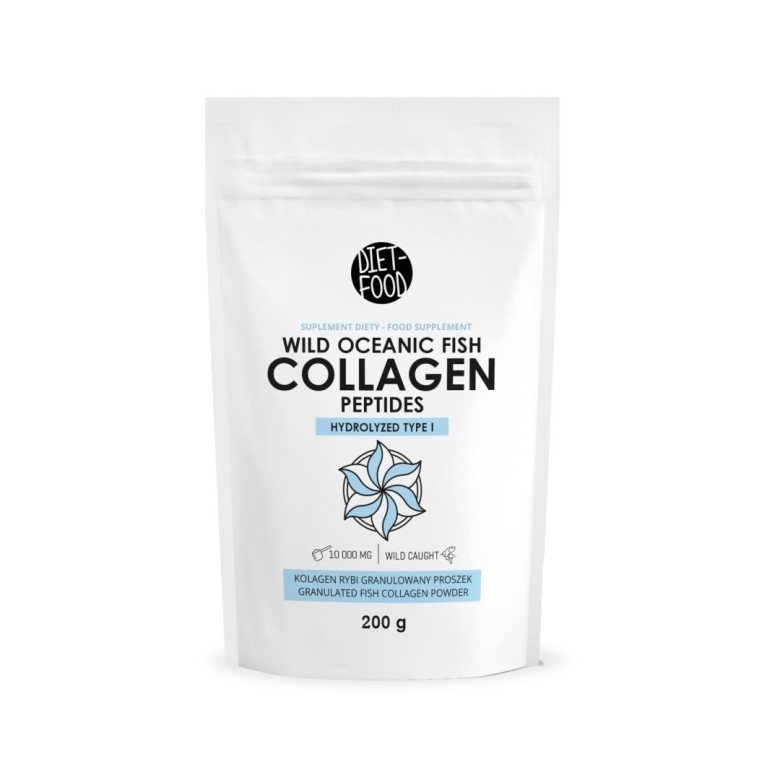
DIET-FOOD Marine Collagen 200 g is a premium product:
- ✅ Hydrolyzed marine collagen type I
- ✅ Sourced from wild fish from clean ocean areas
- ✅ High raw material purity and excellent bioavailability
- ✅ Neutral taste and smell
- ✅ Measuring scoop included – convenient and precise dosing
Type I collagen:
- supports skin
- strengthens tendons, ligaments and connective tissue
- positively affects bones and the musculoskeletal system
- forms the basis of anti-aging supplementation
👉 See the product: Hydrolyzed Marine Collagen 200 g
Source: cattle connective tissues
Collagen types: I and III
Characteristics:
- good support for joints, bones and skin
- often chosen by athletes
- rich in glycine and proline
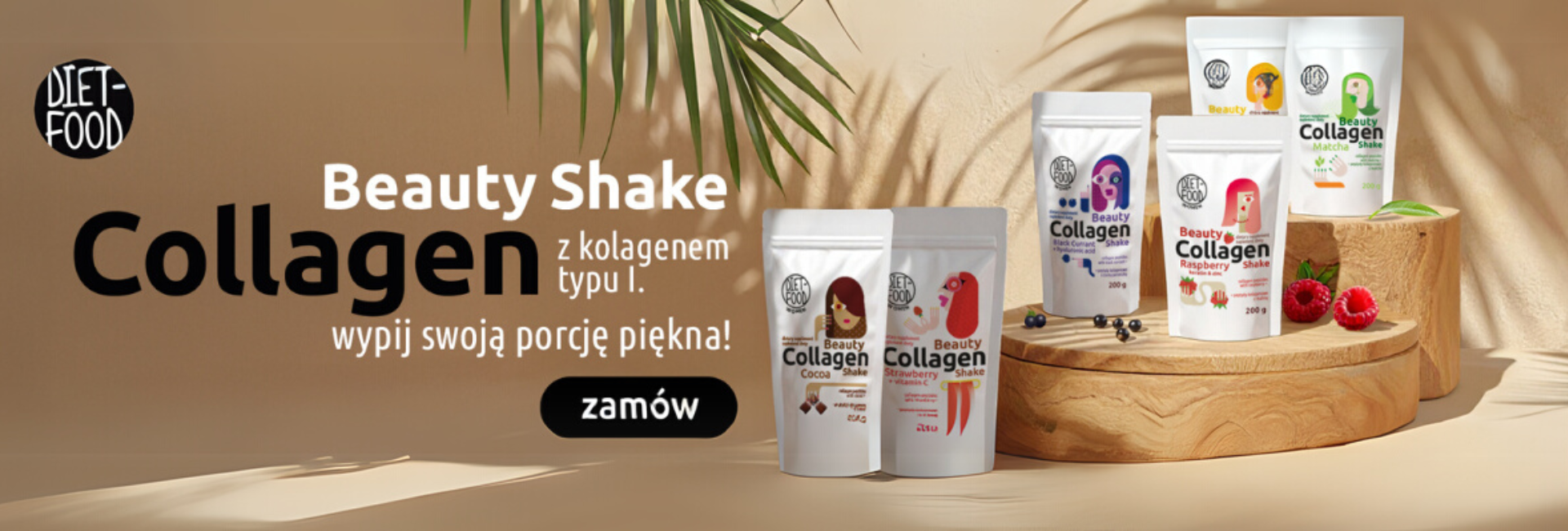
DIET-FOOD WOMEN collagen shakes combine:
- 12–16 g hydrolyzed bovine collagen type I
- superfoods and adaptogens
- vitamins and active ingredients
- carefully selected flavors that make supplementation a real pleasure
Perfect when mixed with water or milk, also as an addition to smoothies, desserts and oatmeal.
Collagen tablets and capsules from DIET-FOOD WOMEN:
- hydrolyzed bovine collagen type I
- with hyaluronic acid
- with hyaluronic acid and vitamin C
👉 See all products from the WOMEN series
Pure bovine collagens – full control of ingredients
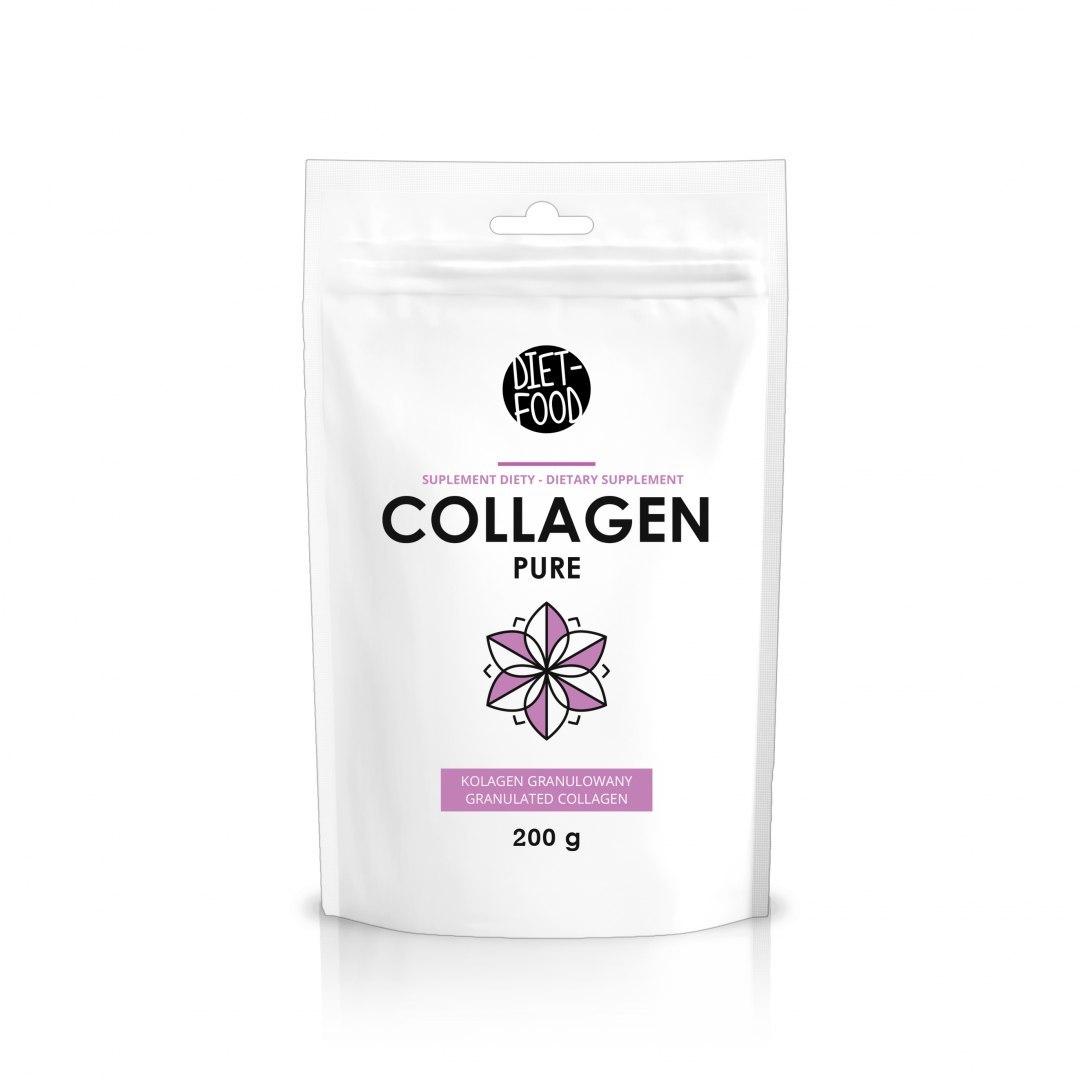
🧂 Granulated Bovine Collagen 200 g
- hydrolyzed bovine collagen type I
- neutral taste
- universal use
🐄Bovine Collagen with MSM 200 g
- hydrolyzed bovine collagen type I + MSM (organic sulfur)
- musculoskeletal system support
DIET-FOOD collagen in capsules 200 pcs.
- hydrolyzed bovine collagen type I + vitamin C
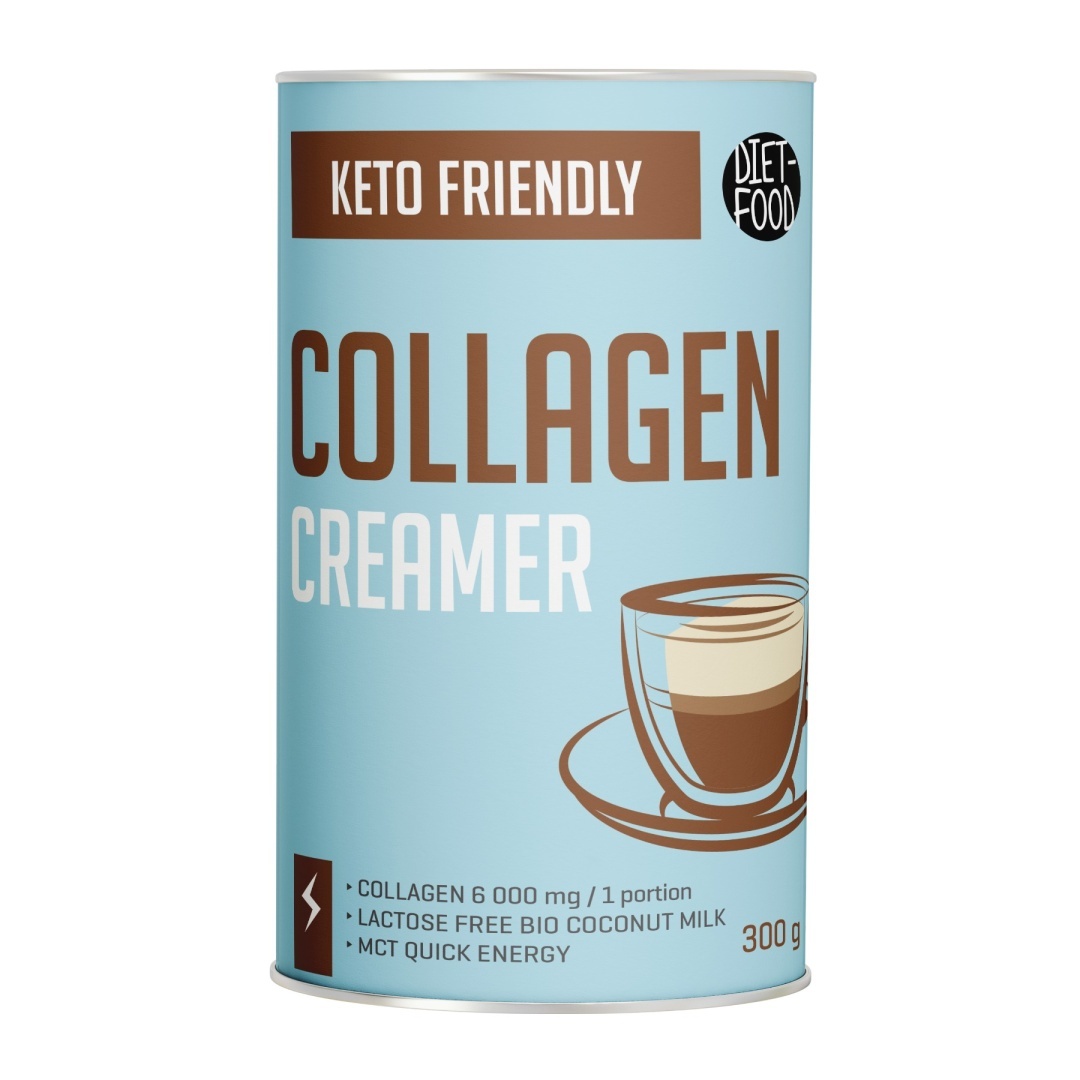
KETO Collagen – coffee creamer
☕ Keto Collagen Coffee Creamer + MCT 300 g
- hydrolyzed bovine collagen type I
- MCT oil
- organic coconut milk
- ideal for a ketogenic diet
How to increase supplementation effectiveness
- supplement regularly (min. 8–12 weeks)
- combine collagen with vitamin C
- stay hydrated
- support gut health and microbiota
Summary
Collagen supplementation supports the skin, joints, hair and nails, and choosing the right type and form of collagen increases its effectiveness. DIET-FOOD products offer various forms of collagen tailored to the needs of both active people and those who care about beauty and health.
|
|
|
|
|
|

Sources:
- Effects of Oral Collagen for Skin Anti-Aging: A Systematic Review and Meta-Analysis, PMC – National Library of Medicine. https://www.ncbi.nlm.nih.gov/pmc/articles/PMC10180699/
- Effects of hydrolyzed collagen supplementation on skin aging: systematic review, Academia UMK. https://apcz.umk.pl/QS/article/view/57098
- Systematic review and meta-analysis of collagen supplementation effects, Nutrients (2023). https://doi.org/10.3390/nu15092080
- Effects of oral collagen peptides on skin condition (Monz review). https://www.monz.pl/pdf-212514-131619?filename=131619.pdf
- Collagen supplementation in skin and orthopedic diseases: literature review, ScienceDirect. https://www.sciencedirect.com/science/article/pii/S2405844023021680
The content included in this article is for informational and educational purposes only. It does not constitute medical advice and cannot replace consultation with a physician or nutrition specialist.
Same category
- Organic Ceylon Cinnamon DIET-FOOD – authentic flavor and safety
- DIET-FOOD Creatine Monohydrate – pure strength, convenience, and support for the brain.
- The Best Organic Breakfast Sets – a Healthy Start for Everyone
- Organic Nut Butters from Diet-Food – Pure Pleasure Without Compromise
- Matcha Latte Keto Friendly – Natural Energy in Keto Style
Comments
No comment at this time!
Leave your comment